

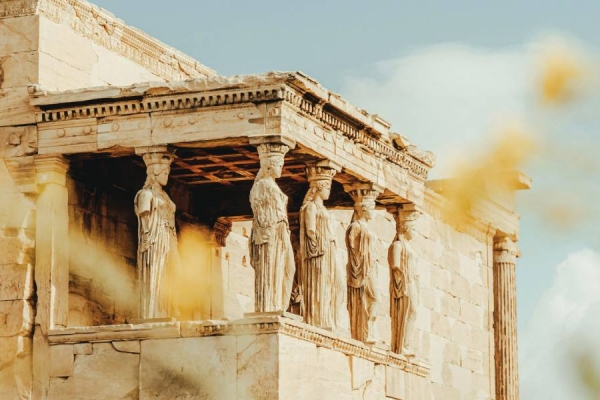
Few cities in the world blend history and urban life quite like Athens. Walkable, warm and full of surprises, the Greek capital invites visitors to dive into its 2,500 year legacy. Whether you're a history buff, a casual traveler, or just here for the views, Athens offers something unforgettable at every turn. Here’s your essential guide to the city’s most iconic ancient landmarks –all within easy reach of the modern–day traveler.
Acropolis of Athens
The Acropolis is Athens’ most iconic landmark. Once a fortified citadel and later a religious site, it has always held deep cultural and historical meaning for the city. Today, it is a UNESCO World Heritage Site and a global symbol of classical civilization and ancient Greek artistry.
Parthenon
Standing proudly atop the Acropolis, the Parthenon was built in the 5th century B.C. after the Persian Wars. Commissioned by Pericles, it honors the city’s patron goddess, Athena. Despite centuries of damage, much of its structure still stands, offering a powerful symbol of resilience.
Theatre of Dionysus & Odeon of Herodes Atticus
On the southern slope of the Acropolis, these ancient theaters are worth a stop. The Theatre of Dionysus, the world’s oldest, once hosted the great tragedies of Sophocles and Euripides. The Odeon of Herodes Atticus, built later during Roman times, is still in use today for summer performances.
Ancient Agora
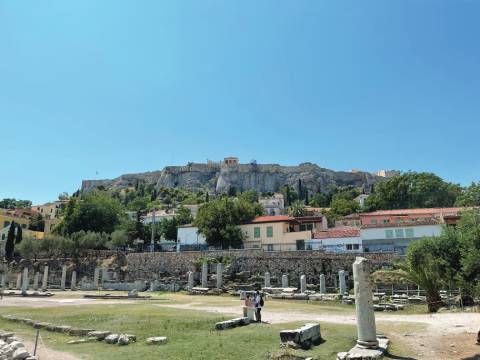
Northwest of the Acropolis lies the Agora, once the heart of ancient Athens. It was a marketplace, gathering spot and the birthplace of democracy, where citizens voted and justice was served by juries.
Pnyx
Close to the Agora is the Pnyx hill, one of the first official meeting places of democratic assemblies in the world. Here, citizens debated and voted on public matters – early steps toward organized government.
Filopappou Hill
Also called the Hill of the Muses, this area offers cultural and natural attractions: the Filopappou Monument, Socrates’ Prison and panoramic views of the Acropolis and the sea.
Roman Agora & Hadrian’s Library
Built with support from Julius Caesar and Augustus, the Roman Agora became Athens’ new center in Roman times. Nearby, Hadrian’s Library once stored archives and papyri. Both sites are located in the Plaka neighborhood.
Kerameikos
Once home to ancient potters, Kerameikos later became a major cemetery. Thousands of tombs and significant pottery have been found here. Across the site stands Athens’ Holocaust Memorial, adding further depth to the area’s layered history.
Temple of Olympian Zeus
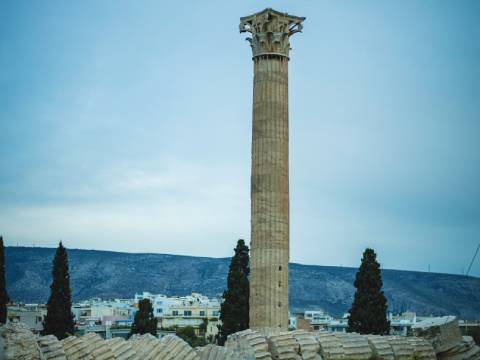
One of the largest temples in Roman Greece, the Olympieion took over 600 years to complete. Today, 15 massive marble columns still stand, offering a glimpse into its former grandeur.
Panathenaic Stadium
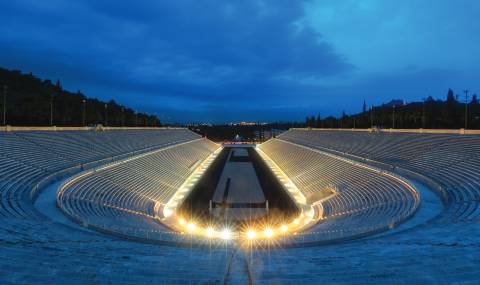
Built in 330 B.C. and rebuilt in marble for the 1896 Olympic Games, this stadium hosted both ancient and modern sports events. It remains a top site for visitors and runners today.
Pikionis Paths - Art you can walk on
Near the Acropolis and Filopappou hill, these hand-crafted stone paths twist through nature like poetry under your feet. Designed by architect Dimitris Pikionis, they blend ancient spirit with modern grace. Get lost in the textures, the quiet, the views – it’s a walk, but it feels like meditation.