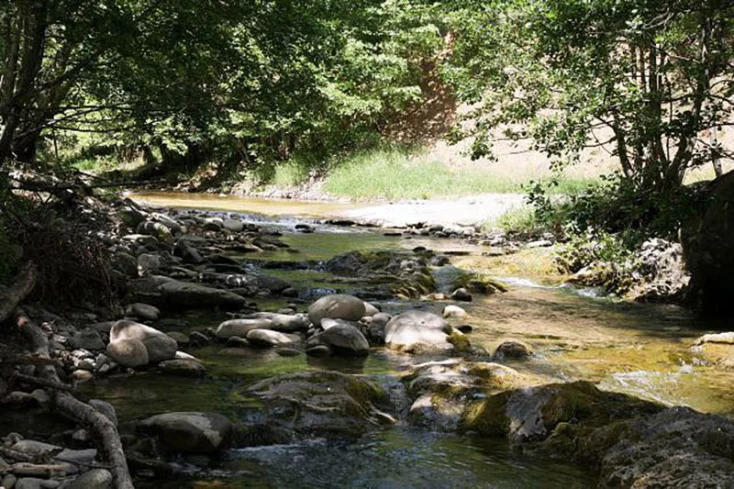


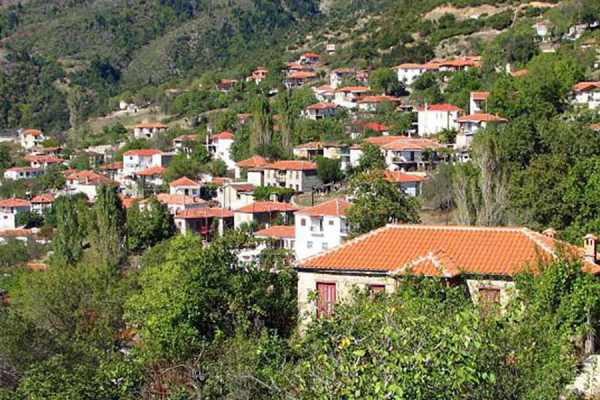
Nestled in the rugged Agrafa range at an altitude of 900 metres, Rentina offers a compelling alternative to Greece’s sun-drenched islands: crisp mountain air, traditional stone settlements, and centuries-old trails that connect travellers directly to local heritage.
Rentina is far more than a scenic mountain escape. Its history spans from the Byzantine period to World War II, making it one of Thessaly’s most culturally rich destinations. Commanding a strategic pass connecting Thessaly with western Greece, the village played a pivotal role through Ottoman rule, the 1821 War of Independence, and the wartime occupation of the 1940s.
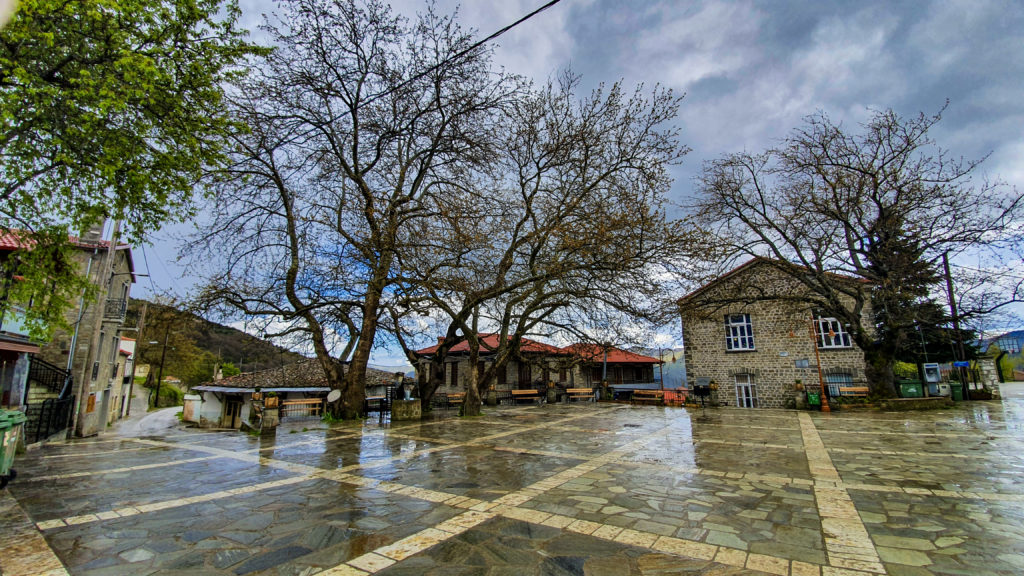
Stepping Back in Time with Pavlos Stavrou
To fully appreciate Rentina, visitors should connect with local historian Pavlos Stavrou. Through his deep expertise and passion for his birthplace, he brings the village's multi-layered story to life, guiding guests through its five essential landmarks:
-
Rentina Monastery (Panagia Rentinas): Perched in a dramatic landscape outside the main village, this historic monastic complex—traditionally dated to the 9th century and restored in the 16th and 17th centuries—served as a spiritual stronghold and haven during the Ottoman era.
-
The Museum Church of Saint George: The architectural jewel of the village square, renowned for its 1719 wall paintings and extraordinary 1796 openwork wooden iconostasis.
-
The Museum of Byzantine and Post-Byzantine Art: Located in the Chapel of Saint Seraphim, housing priceless religious treasures saved from across the Agrafa region.
-
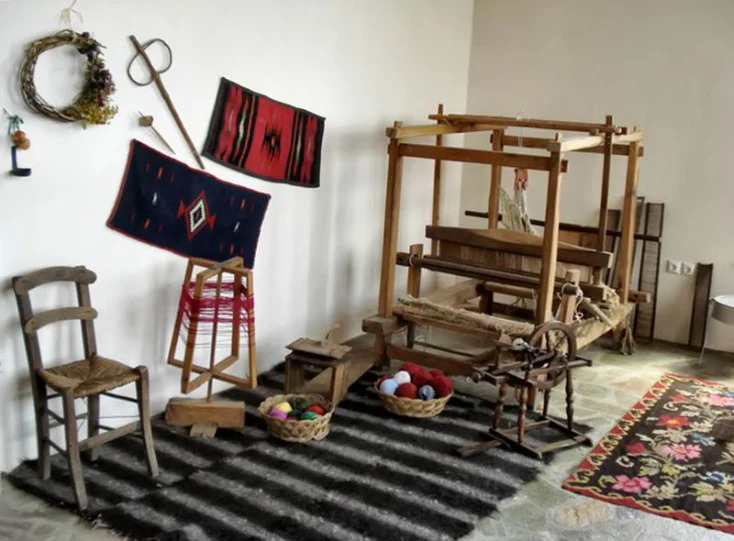
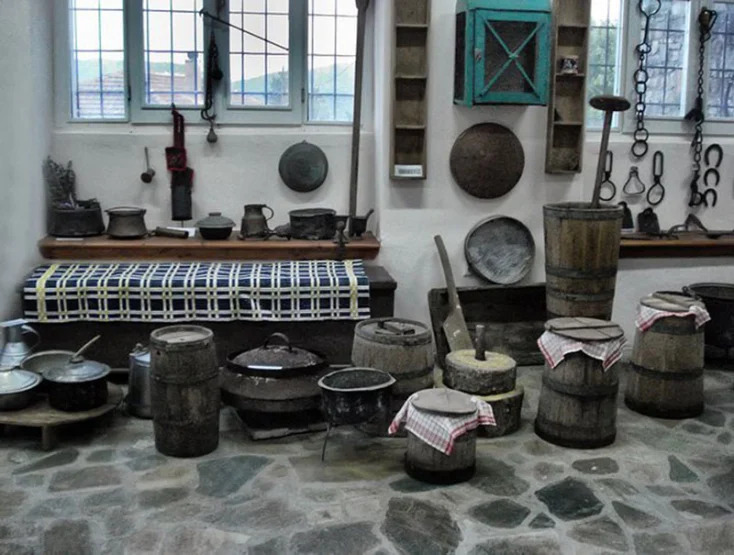
The Historical and Folklore Museum: A warm tribute to local heritage, preserving traditional tools, textiles, and domestic artifacts that reveal the mountain community’s daily rhythm across centuries.
-
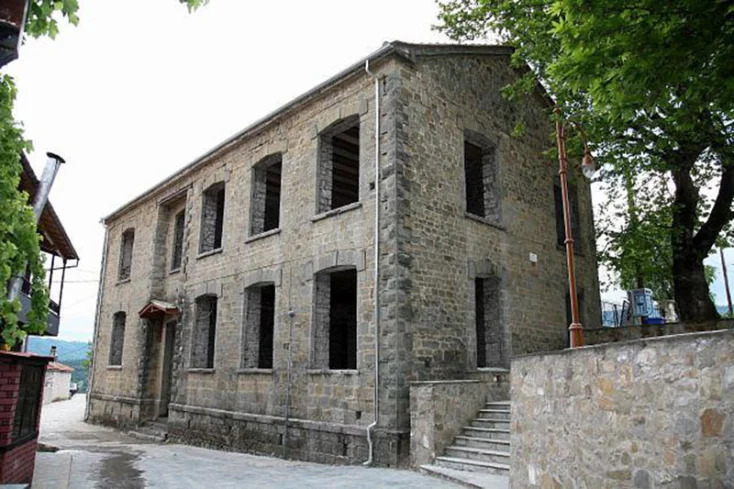
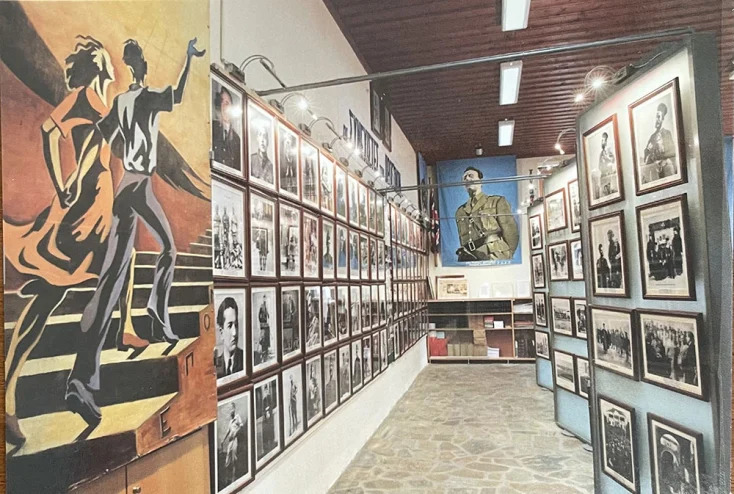
The National Resistance Museum: Housed in the village's historic stone primary school, commemorating Rentina’s role as the headquarters for the Reserve Officers School of the Greek People’s Liberation Army (ELAS) in 1944.
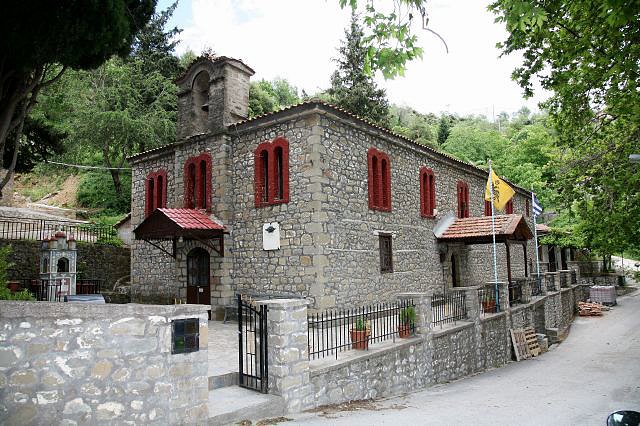
The Church of Saint George: A Masterpiece of Post-Byzantine Art
Built in 1662, the Church of Saint George stands out as one of Thessaly's most significant cultural monuments. Behind its modest, traditional mountain exterior lies a breathtaking interior filled with artistic treasures.
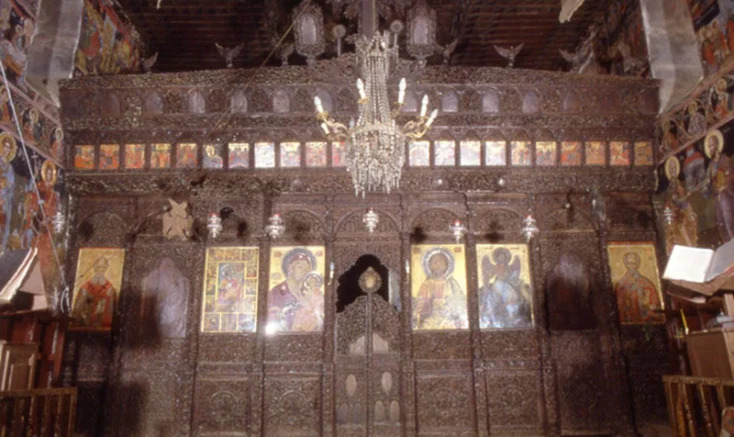
Inscriptions record that master painters Seraphim of Chios and Dimitrios Anagnostou decorated the sanctuary in 1719, with further consecration in 1722 and restoration in 1789. Inside, visitors are greeted by intricate 18th-century woodcarvings—including an ornate bishop's throne flanked by carved lions and an elaborate geometric wooden ceiling.
The church's crowning glory is its 1796 walnut-wood iconostasis, executed in the rare openwork style (“carved in thin air”). Its lace-like wooden lattice depicts scenes from the Nativity, the Old Testament, and Paradise. Surrounding the woodwork are vibrant Cretan School frescoes covering every interior surface, alongside a notable 1794 portable icon of Saint George by the master painter Nikiforos.
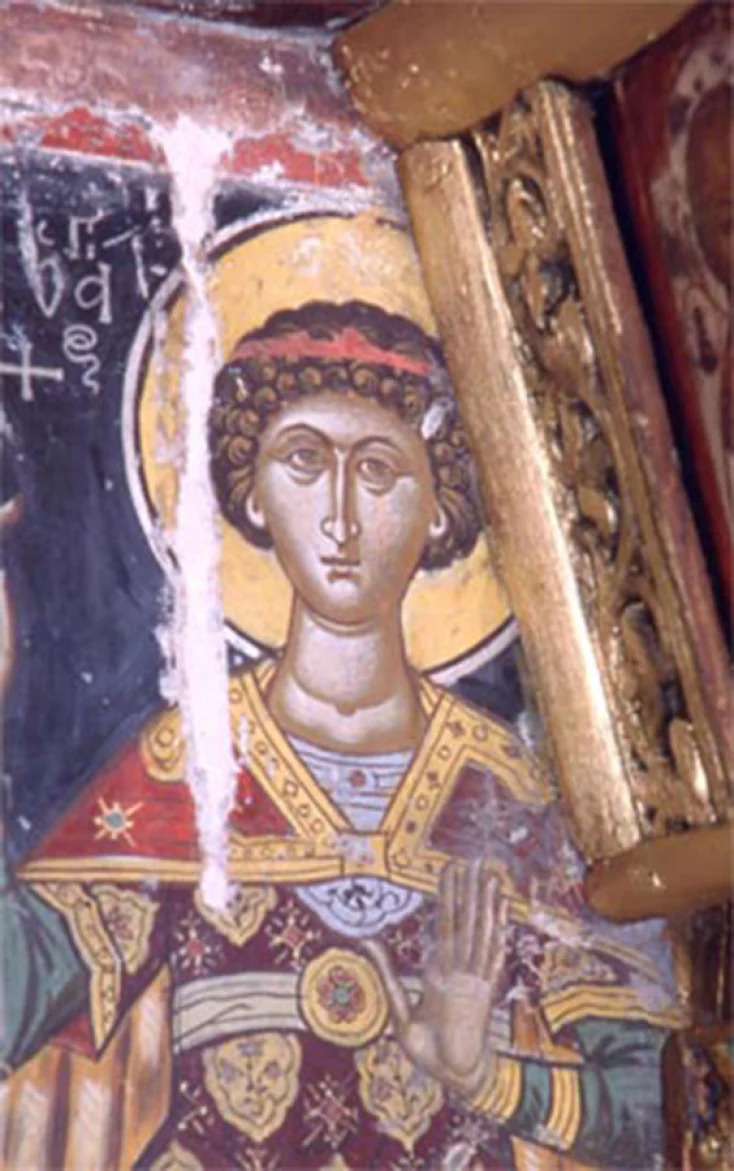
Sacred Treasures & Local Heritage
Within the Church of Saint George complex, the Chapel of Saint Seraphim houses the Museum of Byzantine and Post-Byzantine Art. Created to safeguard regional treasures, it showcases rare portable icons, 18th-century Venetian Gospel books, silver liturgical vessels, an altar cross, and a richly embroidered Epitaphios.
Nearby, the Historical and Folklore Museum provides an emotional bridge to the village’s past. Through authentic domestic items, woven textiles, farming implements, and historic photographs, it illustrates how generations of villagers adapted to and thrived in the harsh mountain environment of Agrafa.
The National Resistance Museum
At the village entrance, a grand stone school funded by national benefactor Andreas Syngros highlights a pivotal chapter of modern Greek history. In March 1944, it served as the ELAS Reserve Officers School.
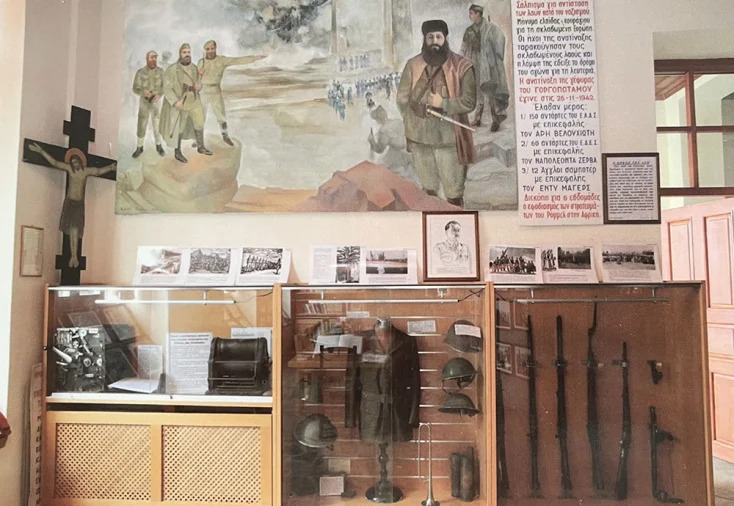
Today, as the National Resistance Museum, it exhibits authentic weapons, swords, helmets, original documents, proclamations, and personal belongings of resistance fighters. The museum also houses a 500-volume specialized library and a unique archive of resistance-era songs collected by local fighter Giannis Haidas.
A Year-Round Destination
With its cobbled paths, historic monasteries, curated museums, and traditional tavernas, Rentina remains deeply authentic—a place where history, art, and nature meet seamlessly in every season.