


How to travel the greek islands like a local
By Georgia Skamaga
Photo by reiseuhu/Unsplash
For many visitors to Greece, the journey between islands becomes one of the most memorable parts of the trip itself. Early mornings at the port, salty wind on the deck, suitcases rolling across concrete docks and the first glimpse of a whitewashed island appearing on the horizon. Yet Greek ferry travel comes with its own unwritten rules, a mixture of patience, flexibility and quiet observation that locals understand instinctively. Learning a little ferry etiquette can make islandhopping smoother, calmer and far more enjoyable.
Arrive early
Greek ports can appear chaotic, especially in summer. Heavy lorries unload supplies, travelers search for their gates and giant ferries tower above the crowded docks, while shouted instructions and last-minute boarding calls echo in the air. Arriving at least thirty to forty-five minutes before departure allows enough time to locate the correct gate and avoid unnecessary stress. At busy ports such as Piraeus, ferries to different islands may depart only minutes apart, and schedules occasionally change due to weather or wind conditions.
Patience is essential
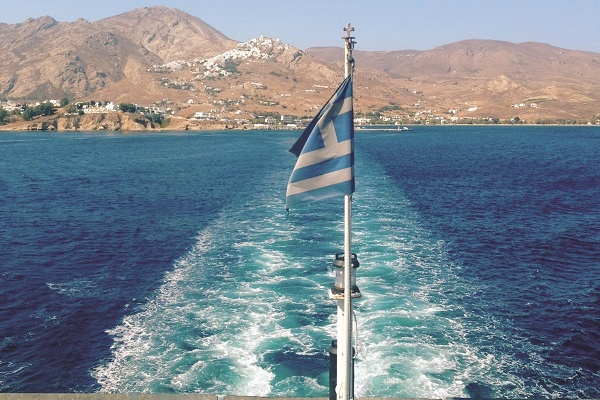
Boarding a ferry in Greece is rarely a perfectly orderly experience. Locals often wait calmly until the final moment before moving. Travelers unfamiliar with the process sometimes panic unnecessarily, but things usually function with surprising efficiency beneath the apparent confusion. Once onboard, another small cultural habit becomes visible: Greeks do not rush. Passengers settle slowly into seats, cafés or open-air decks. Some immediately buy coffee. Others removeshoes, open books or begin conversations with strangers. Families unpack snacks as though preparing for a picnic rather than a voyage. The outdoor deck remains one of the best places to experience the journey. The changing colors of the Aegean create a sense of freedom impossible to experience by airplane. During sunset crossings, many passengers quietly gather along the railings simply to watch the light change over the water.
A few practical customs worth understanding
Keep valuables with you
Ferry boarding can be a hectic process. Unlike with air travel, boarding the ferry does not involve any kind of security screening. In some cases, you may even be boarding alongside cars that are driving onto the ferry for transportation. Most ferry companies will ask you to store your larger roller bags in the bottom cargo compartment, before scanning your ticket and proceeding upstairs to your seat. While this is a safe process, it can be anxiety-inducing to leave your belongings out of your sight. As such, it is recommended that you pack your most important belongings in a small bag or backpack that you can take with you to your seat. In my experience, some companies will allow you to take your roller bag up with you, but given the limited storage, this is no guarantee. As ferry companies do not take personal responsibility for your stowed bags, it is wise to keep your valuables close. Always remember: when keeping bags beside your seat, make sure you are not blocking stairways or corridors, especially during busy crossings.
Bring a sweater
Sweaters wouldn’t probably be high priority on your packing list for summer island trips, but you could quickly regret not bringing something warm to wear on the ferry. Depending on your ferry company and your seat, you may find yourself sitting under a powerful air conditioner. It is definitely a wise decision to bring something long-sleeved that you can put on if you get chilly during the ride.
Pay attention to your environment
Depending on what kind of traveler you are, you may be better suited for different areas of the ferry. If prone to sea sickness, you could find yourself more comfortable in the middle of the boat, where the rocking is less severe. Most ferries allow passengers to step out onto the deck for some fresh air. If this appeals to you, make sure to secure belongings, especially hats, as it is very windy outside. If you prefer a window seat, you will be treated to a lovely view of the water and neighboring islands. Traveling by ferry is an adventure in itself, so no matter what your travel style is, make sure to enjoy your environment. When the ferry approaches an island, locals tend to prepare early. Long before arrival, passengers begin collecting bags, finishing coffees and moving toward exits. First-time visitors are often surprised by how quickly ferries unload and reload before continuing toward the next destination. And then there is the famous Greek flexibility with time. Strong winds in the Aegean can delay departures, alter schedules or occasionally cancel routes altogether. Most Greeks accept this with resignation rather than anger. The sea, after all, still determines life in the islands much as it has for centuries.